When you love something so much, you want to be a part of it.
Be it in the classroom, in a training session, or just for fun — games carry that certain something that not many other mediums can achieve. They’re engaging, they’re playful, they spark curiosity, they challenge traditional thinking, and when they’re at their best, they can be completely immersive.
Recently, I helped run a simulation that—let’s be honest—didn’t quite land. The feedback was that it felt too complicated, too rushed, and that some participants didn’t really see the point of it. But from the facilitation side, we also saw a different story. People drifted in late. Some chatted through the explanation. Others took phone calls. Quite a few didn’t ask a single question when they felt unsure — even with five facilitators (five!) ready to help at any moment. Instead, they wandered through the experience, disconnected, and understandably walked away feeling lost.
And it really highlighted something for me:
Games simply don’t work unless you buy into the experience.
Just like skydiving won’t mean much if you never jump out of the plane, or that speedway voucher won’t thrill you unless you actually sit behind the wheel — the value only appears when you step into it.
That thought stayed with me.
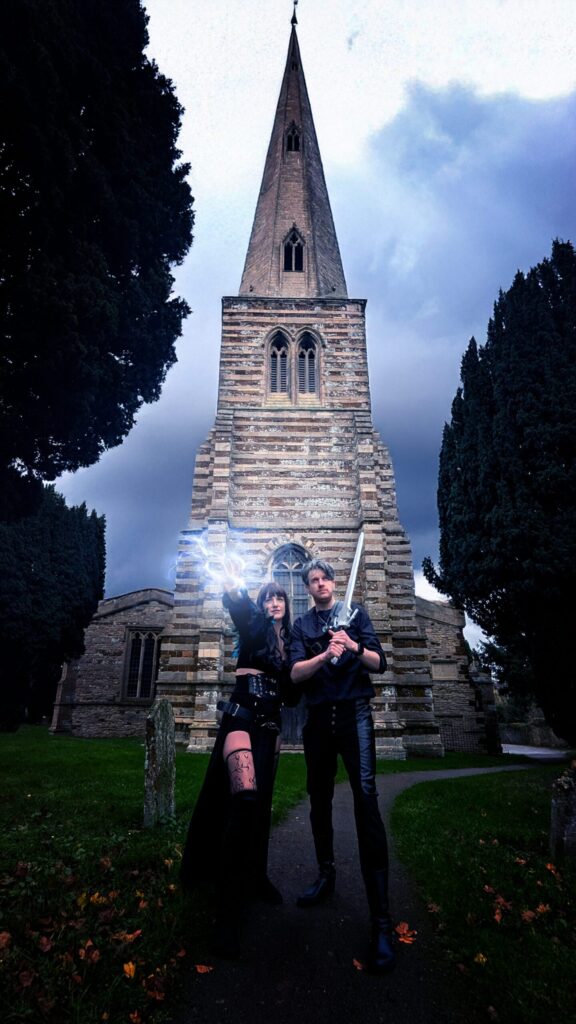
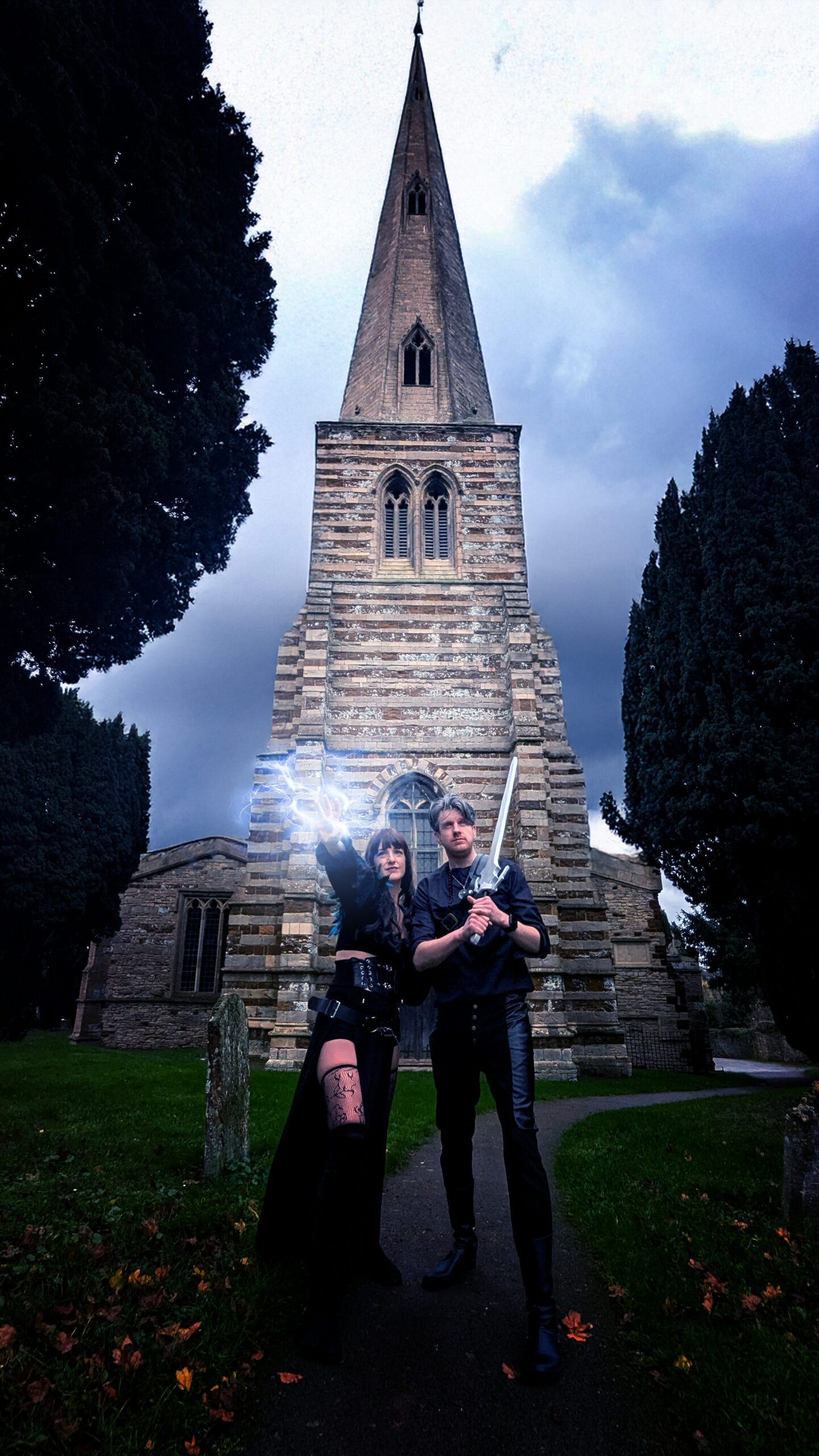
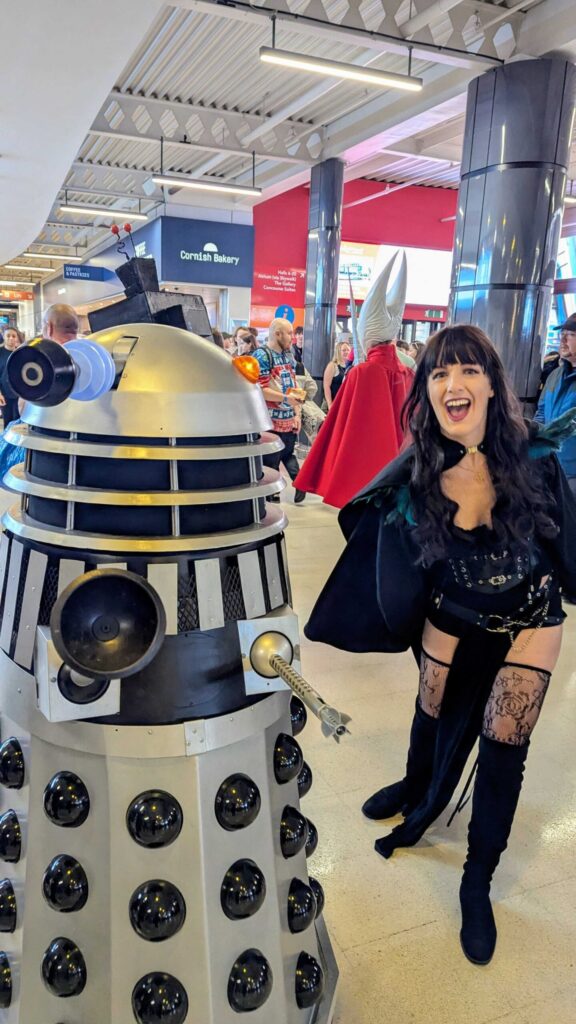
When I think of immersion working well, I think of something far less corporate: my partner and I attending Comic-Con for the first time this year. We reasoned that if we were going to do this experience justice, we had to fully commit — costumes and all. So naturally, we went opted for Yennefer and Geralt from The Witcher 3 which we had just finished playing.
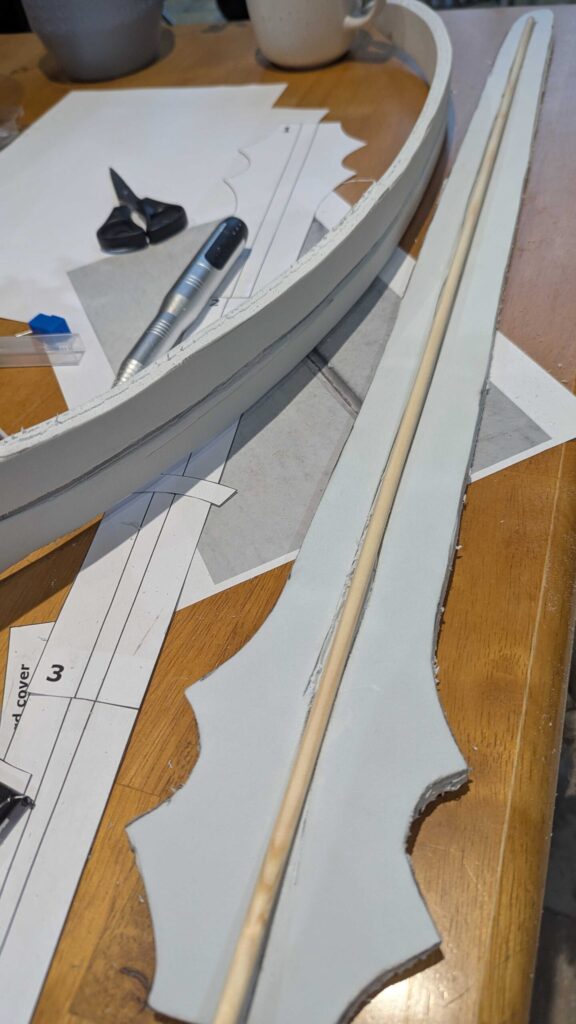
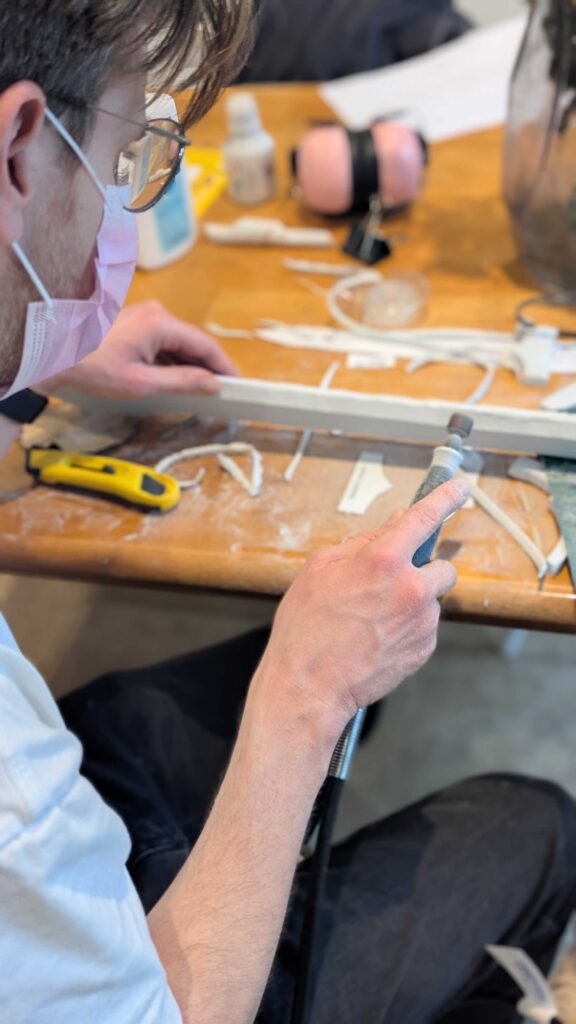
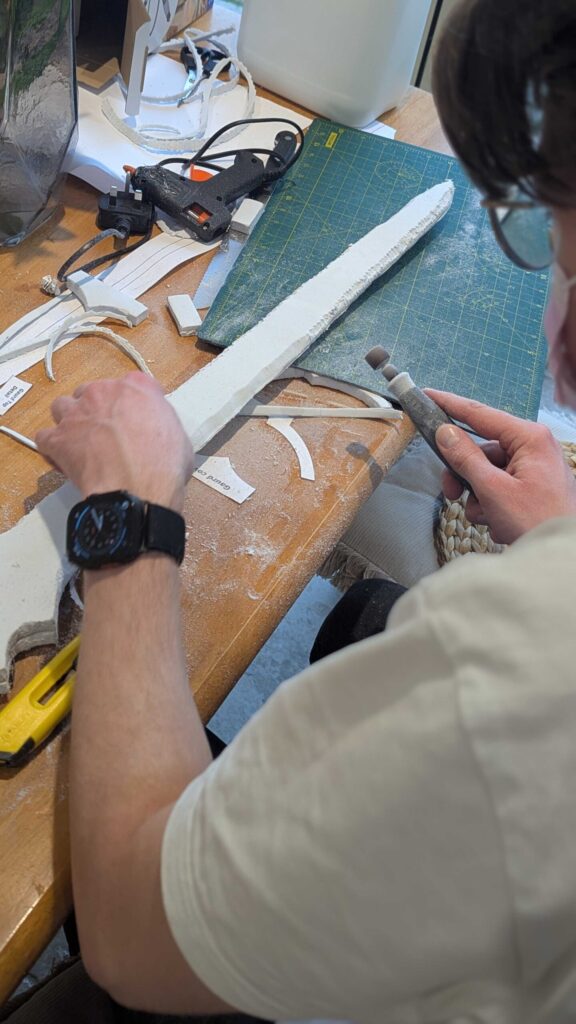
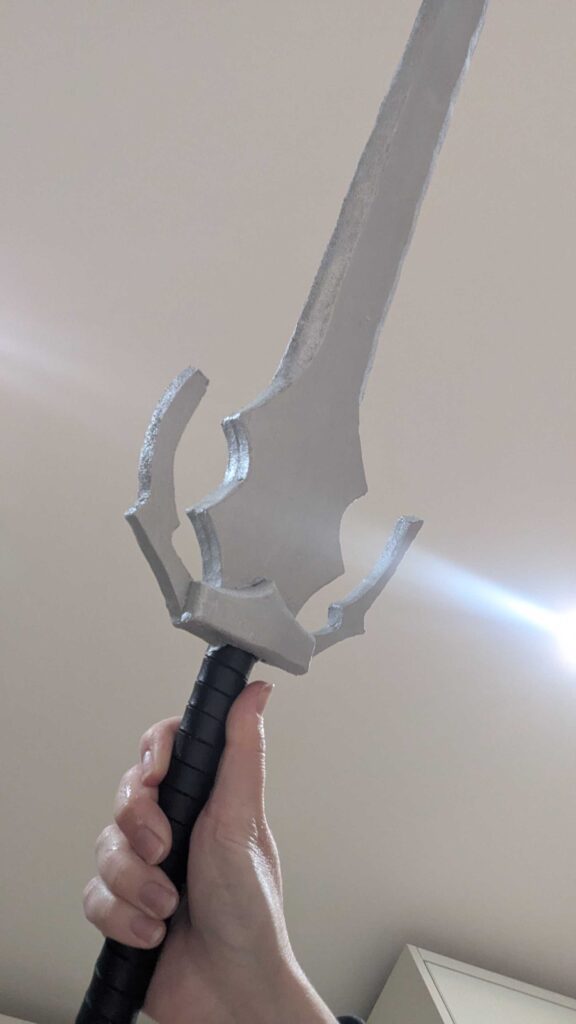
It didn’t feel right strolling into Comic-Con in our normal clothes. So we embarked on the side-quest of crafting our outfits, right down to hand-making a foam sword for Geralt. (A surprisingly time-consuming process that left my kitchen looking like a medieval arts-and-crafts workshop.)

We even started plotting how to add magical lighting effects to my Yennefer costume for future events — although we sensibly shelved that for the first iteration. And the funny thing? Dressing up didn’t make us feel out of place. It made us feel part of the world we were stepping into. Because we’d invested in the experience, it gave so much more back. And seeing how others had invested EVEN MORE (is there an official collective noun for a group of Daleks?) was so encouraging and created such an inclusive, immersive experience.
And that’s really the heart of what I’ve taken from both the simulation that struggled and the convention that soared:
Immersion changes everything.
Whether it’s a game, a training session, a creative project, or something totally outside your comfort zone — the outcome is always richer when you step into it with intention, curiosity, and a willingness to play your part.
When you do, you don’t just complete the experience.
You earn the quest points.
And isn’t that what makes the journey worthwhile?